Table of contents
- 1 Is an African Safari Worth It?
- 2 What Animals Do You See on an African Safari?
- 3 Why Can’t You Wear Black on an African Safari?
- 4 What Are Some African Safari Options?
Enhance your reading experience—immerse yourself in the adventure with our audio version. Click play and let the sounds of Africa captivate you!
You’ve spent some time mindlessly scrolling your Instagram feed, looking at the photos and reels shared by those on an African safari, you’ve visited travel websites and browsed your safari holiday options, and you’ve taken a “virtual safari” on YouTube.
And now, as you read this, you are thinking to yourself, “What makes an African safari special?”
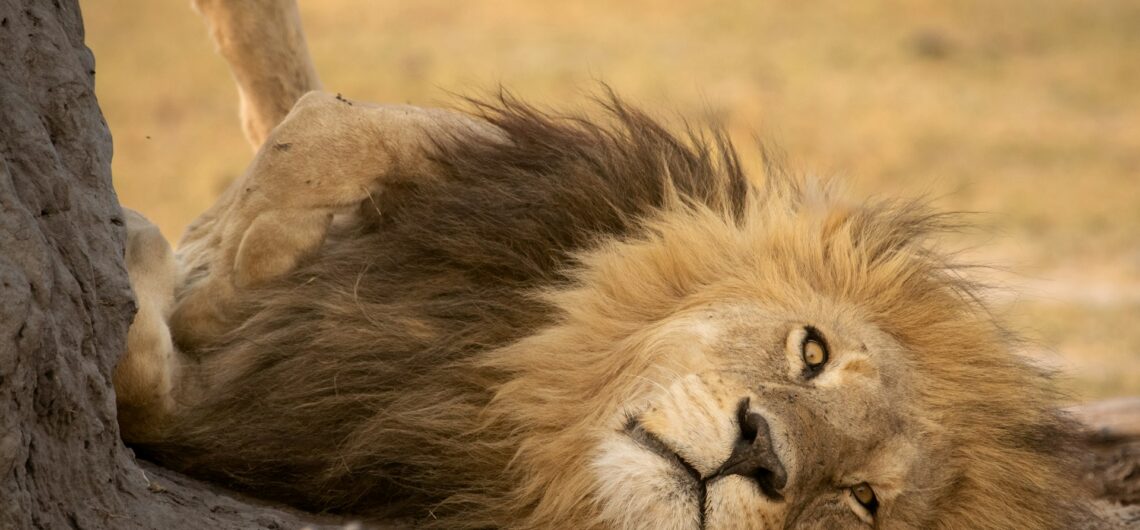
Is it the wildlife? Africa is most famous for having some of the world’s biggest free-roaming animal populations, and the Big 5, rare pangolins, feisty honey badgers, almost extinct rhinos, and all sorts of critters and creatures can be seen on the continent.
Is it the landforms? Africa is one of the most diverse regions in terms of landscapes. Here you’ll find majestic mountains, rainforests, deserts, canyons, some of the most exquisite beaches, savannahs, bushveld, waterfalls, and vineyards.
Is it the people? In safari country, you’ll find a special kind of people. They are enthusiastic in a way that few others are these days, and they have this incredible way of making you feel like a long-lost, but most treasured friend.
Is it the lodges? Sublime safari lodges have this special way of being both luxurious and true to the rustic aesthetic of the safari. In many ways, it is the lodge that is the final cherry on top of the perfect holiday.
We’ve been in the safari industry for almost 20 years, and we can assure you that what makes an African safari special is a combination of wildlife, land, people, and lodges, as well as the realness, the authenticity of the experience.
It is something rare, something you will only experience in Africa.
You are not the first nor the last person to be sitting behind a screen, dreaming of being pulled into a world where nature decides how your day will be spent and where everything, aside from where you safely lay your head at night, is left to chance.
If you are having trouble deciding if you should click that bright orange book now button, if you continue reading, we’ll soon have you see just why an African safari is so special.
Is an African Safari Worth It?
It’s easy to brush off the idea of an African safari as some far-flung, expensive holiday; after all, flights aren’t cheap, and no one likes jet lag.
But not going on an African safari means missing a chance to reset your inner compass in ways an ordinary holiday simply never could.
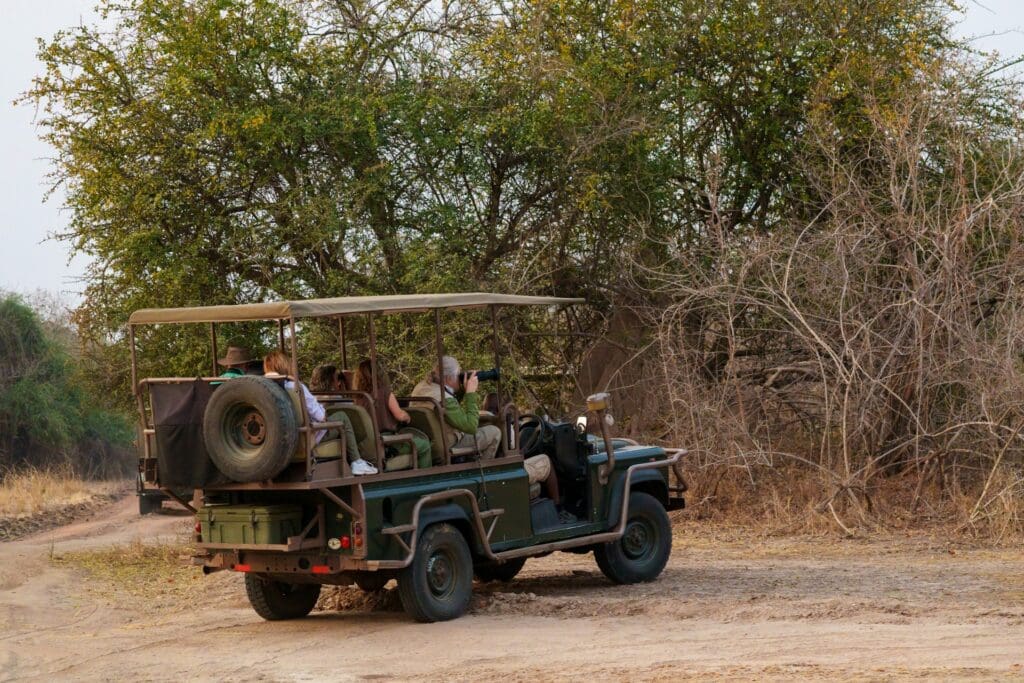
These journeys are made to break the mould and reconnect you with the natural world, where animals roam free in their own backyard, not behind bars like in a zoo.
You emerge from a safari with a fresh perspective on existence, appreciating the small stuff, like how a slow sunrise over the savannah is better than anything an Instagram filter could create.
The sheer intensity and authenticity of being on a safari is often what makes travellers realise that their decision was absolutely worth it.
You might have watched videos of elephants breaking their way through the trees, and you’ve more than likely heard a lion roaring on an audio recording, but nothing is quite like experiencing it in the flesh.
The moment you have these experiences, you will feel the start of a deeper bond with nature, you’ll be shaking off the daily grind and reigniting your long-lost spark of wonder.
Families rave about the incredible bonds such a trip creates, with kids wide-eyed at real-life scenes from wildlife documentaries, while adults get to rediscover the playfulness in the unpredictability.
What makes an African safari special isn’t that it is a luxury splurge but rather that it’s an investment in memories that outlast any gadget or gizmo.
It sticks with you, fuelling a zest for more bold escapades.
Life zips by, and before you know it, you’re reminiscing about chances not taken. In a world of sameness, what makes an African safari special is that it is a quirky twist on holidaying that leaves you changed, recharged, and desperately wanting an encore.

What Animals Do You See on an African Safari?
On an African safari, you can expect a parade of wildlife that ranges from the majestic to the downright peculiar.
What usually attracts travellers is the Big Five.
These icons got their nickname back in the day from hunters who deemed them the trickiest and most dangerous to track on foot, thanks to their feisty attitudes and sheer power. (For the full scoop on these beasts, check out this guide to the Big 5 animals. It’s packed with tips on where to find them.)
Nowadays, it’s all about snapping photos, not trophies, and you’ll have the best chance of seeing them all in spots like South Africa’s Kruger National Park or Botswana’s Moremi Game Reserve.
If you are only going on safari to see the Big 5, you are in for a big surprise, as there are plenty of other fascinating animals to see, too.
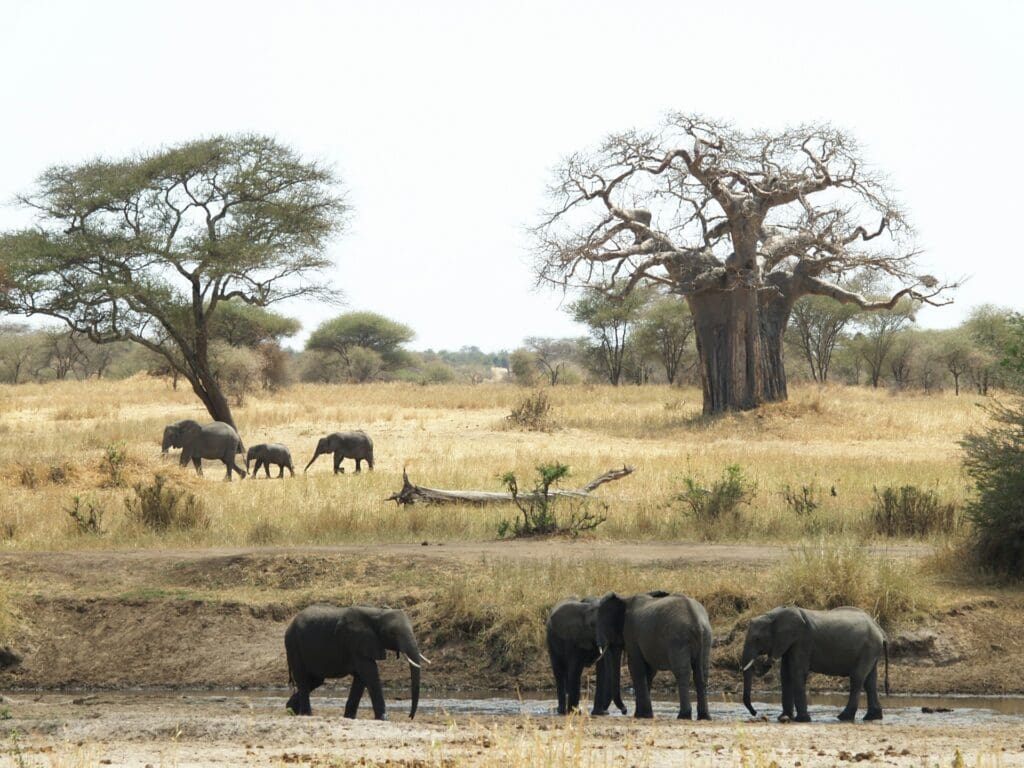
You’ll likely spot hippos wallowing in rivers, their massive yawning jaws making them look perpetually tired and grumpy, giraffes towering like elegant cranes, nibbling acacia treetops with tongues longer than your arm, zebras meandering about in herds, with their stripes creating optical illusions that baffle predators (and photographers), and cheetahs that sprint into view while chasing all sorts of antelopes.
And don’t overlook the smaller animals like meerkats standing sentinel like tiny guards, warthogs trotting with tails aloft like flags, or ostriches strutting with feathers fluffier than a diva’s boa.
Sightings always peak in the dry season, between June to October, when animals cluster around waterholes, making them easier to spot amid the sparser greenery.
What makes an African safari special is that you can’t tell when you’ll see something fascinating, so if you want the best sightings, you’ll need to pack your patience.
Why Can’t You Wear Black on an African Safari?
Black might be your go-to back home, but in the bush, it’s a no-go.
Why?
Well, tsetse flies, those pesky biters with a sting that’ll make you yelp, have a real thing for dark shades like black and navy blue.
They tend to mistake you for a juicy target, drawn in like moths to a flame. These critters lurk in wooded areas, especially in places like Tanzania or Zambia.
And then there is the heat.
Black and other dark colours soak up sunlight like a sponge, leaving you feeling as though you are roasting, even during the winter months.
Light colours, on the other hand, bounce heat away, keeping you feeling cooler and less like a walking sauna.
Darker tones can make you stand out to wildlife, potentially spooking animals into hiding or altering their natural antics, not ideal when you’re there to observe, not disrupt.
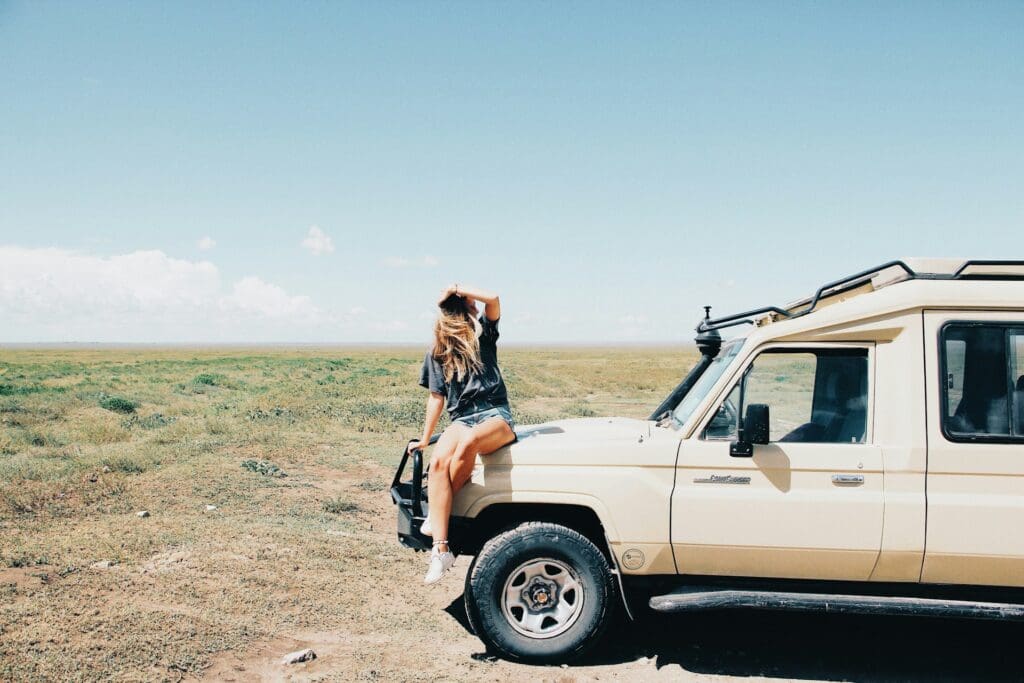
It is safe to stick to earthy tones like khaki, beige, and olive green when packing.
They will help you disappear into the landscape, reducing your visibility to both flies and the four-legged locals.
You’ll want to skip wearing white unless you’re chilling at camp, because it will show every speck of dust.
What Are Some African Safari Options?
Since you asked what makes an African safari special, you are probably dipping your toes into safari planning.
The tour options are part of what makes an African safari special, and they span from plush retreats to gritty walks, each made to suit different whims and wallets.
Southern Africa is the best place for an African safari, and places like Botswana’s Okavango Delta, Namibia’s Etosha National Park, Zambia’s South Luangwa, and the Kruger National Park will all give you an out-of-this-world safari.
Those who want a luxury retreat can indulge in setups, in places like Sabi Sands, where tents boast en-suite baths, and gourmet feasts under stars are the norm.
And those travelling with families will find that there are a couple of malaria-free zones in South Africa that keep things safe for little ones, have shorter breaks between game drives, and a lot of poolside downtime.
Walking safaris are also available, and they’ll add a zesty edge, guiding you through the bushveld for an intimate glimpse of tracks and flora, while self-drivers can get behind the wheel in the Kruger and plot their own path.
Fancy something more offbeat? Floating trips combine boat views with land excursions, or you can go on low-carbon jaunts in South Africa, to minimise your footprint while maximising sightings.
You can also mix up your safari with wine tastings in Cape vineyards or beach flops in Mozambique for a safari-sea mash-up.
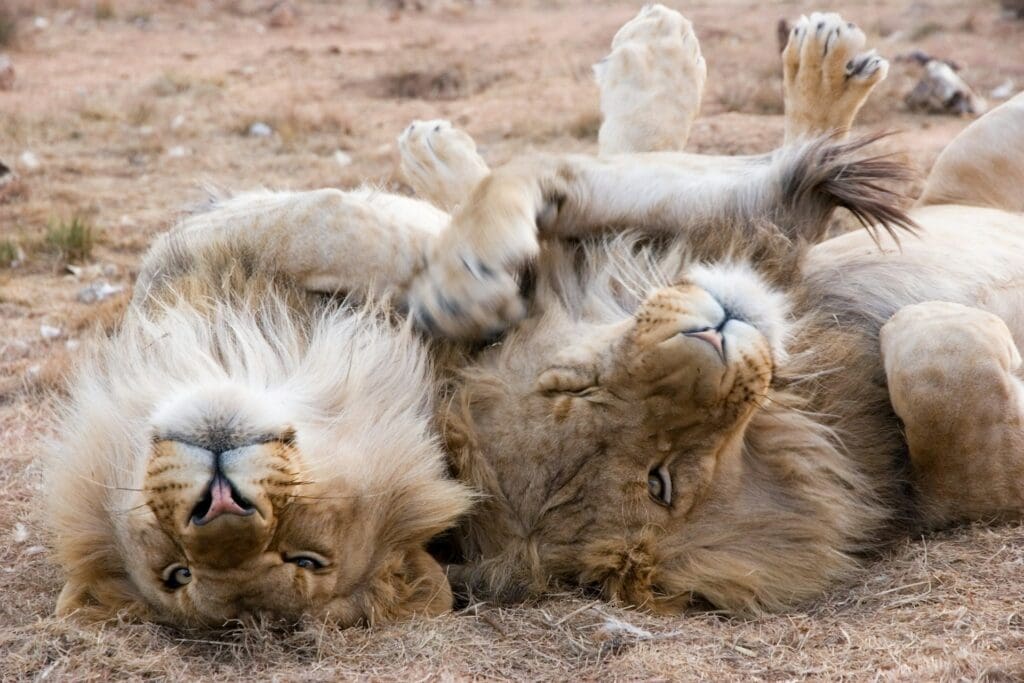
Now that you know what makes an African safari special, it’s time to swap your scrolling and daydreams for dust trails and wildlife
Don’t let another season slip by without going on safari.
Head over to our safari tours and snag a spot that’ll have you grinning from ear to ear.
Your wild side awaits.
Unlike typical vacations, what makes an African safari special is that it can reconnect you with nature through unpredictable encounters with animals like the Big Five. The experience fosters a deeper bond with the planet, creating lasting memories through thrilling, unscripted moments that no zoo or virtual tour can replicate.
The Secret 7 refers to a lesser-known group of African animals that are as captivating as the famous Big Five but harder to spot due to their elusive nature. These include the aardvark, African wild cat, civet, large-spotted genet, pangolin, porcupine, and serval, and they are part of what makes an African safari special.
A good African safari combines four key elements: diverse wildlife, stunning landscapes, passionate people, and authentic lodges. Optimal timing (like the dry season from June to October for better animal sightings), a tour suited to your expectations, knowledgeable guides, and a willingness to go with the flow of nature ensure the best safari.
Africa’s uniqueness is its natural wonders and human warmth. The continent boasts diverse landscapes, from savannahs and deserts to rainforests and beaches, hosting iconic wildlife like the Big Five and rare species like pangolins. Its people, known for their infectious enthusiasm and hospitality, make visitors feel like treasured friends.
Absolutely. An African safari will give you a life-changing escape, immersing you in raw nature with wildlife encounters that no zoo or video can match. It fosters family bonds, sparks wonder, and creates priceless stories.